

In Female, lesions may occur on or near the pubis, labia, clitoris, vulva, buttocks, or anus. Genital Herpes usually appears on the external genitals, most commonly on the lips of the vagina (labia), and in the area covered by pubic hair.Genital Herpes Symptoms may also occur inside the vagina or on the cervix, and may not be noticed by either partner. Genital herpes may appear to be bumps, blisters, sores, cuts or redness.
For women, blisters involve the external genitalia (the labia, perirectal skin, foreskin of the clitoris), in addition to the vagina and cervix.
- Types of Human Herpes Virus
- HHV 1 – Herpes Simplex Virus 1 (HSV 1)
- HHV 2 – Herpes Simplex Virus 2 (HSV 2)
- HHV 3 -Herpes Zoster Virus (VZV)
- HHV 4 – Ebstein Barr Virus (EBV)
- HHV 5 – Cytomegolovirus (CMV)
- HHV 6 – Human B-cell Lymphotrophic
- HHV 7 – Causes Symptoms Similar to the HHV-6
- HHV 8 – It is a Type of Rhadinovirus
It is common to have watery discharge and pain during urination. This may require a very careful examination; for example, during delivery, examination by use of a flashlight may be necessary.
The appearance of herpes lesions and the experience of outbreaks in these areas vary tremendously among individuals. Herpes lesions on/near the genitals may look like cold sores. An outbreak may look like a paper cut, or chafing, or appear to be a yeast infection.
Women are more susceptible to acquiring genital HSV-2 than men. On an annual basis, without the use of anti-viral preparations or condoms, the transmission risk from infected male to female is approximately 8-10%. This is believed to be due to the increased exposure of mucosal tissue to potential infection sites.
It is common among men and women to experience low-grade fever, headache, generalized muscle aches, and tender, swollen lymph nodes in the groin. The first visible outbreak can last anywhere from 3 to 6 weeks.
If you are having an outbreak, avoid skin-to-skin contact between the affected areas and your partner. Remember, a condom does not prevent the spread of genital herpes when symptoms are present, especially if symptoms occur in an area not covered by the condom.
Screening in Pregnancy
Unfortunately, there is no evidence that screening women to identify at-risk pregnancies (serologically negative pregnant women with HSV-infected partners) will lead to a reduction in neonatal herpes. To view more details about Screening in Pregnancy click here
Pregnant women who first acquire genital herpes during late pregnancy can pass the virus onto their babies
- Pregnant women who first become infected with HSV-2 during the last third of their pregnancies have a low chance of passing the virus to their babies; HSV-2 infection in newborns can cause a serious disease, called neonatal herpes
- Passing the virus onto the baby is much less likely if the mother has long-established genital herpes
- Women who have an active case of genital herpes at the time of delivery are usually given a Cesarean section to minimize the risk of neonatal herpes.
To determine whether the symptoms you have just experienced are in fact a herpes virus, you can have two separate blood tests for herpes viruses, one for Herpes I and one for Herpes II. This will determine if herpes is present and which virus is active.
Frequently Asked Questions for Female Genital Herpes
Will I be Able to Have Children without passing the virus on to them?
Yes, it is possible to have children without infecting them with herpes. However, there are important considerations, so learn more about genital herpes and pregnancy.
Can herpes affect my pregnancy and my unborn child?
Herpes can affect the unborn child at times and can prove fatal for the new born. Hence, safety precautions during pregnancy are a must.
Also see Living with Genital Herpes
- Symptoms of Genital Herpes
- Genital Herpes Treatment
- Female Genital Herpes (Woman)
- Genital Herpes in Male (Man)
- Genital Herpes Transmission
- Genital Herpes and Oral sex
- Genital Herpes Medicine
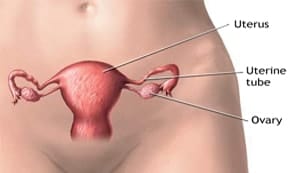
Female Genital Herpes Picture
Herpes Treatment- A beautiful melange of time-tested resonance homeopathic medicines and homotoxological remedies so as to stimulate the immune system to heal itself following nature’s laws.
Symptoms caused by HSV 1 infection (HSV 1 is known to affect the following areas of the body.)
-
-
Oral Herpes It involves oropharyngeal herpes, stomatitis (inflammation of mouth), herpes labialis (involvement of the lips) and gingivitis (inflammation of gums).
- Ocular Lesions (eye herpes) Keratitis, herpetic keratoconjunctivitis
-
-
- Cutaneous Cold Sores
After reviewing the following data you are now in a position to take an informed decision. We hope you make the right choice and we will be with you on your journey to recovery. Please get in touch with any of our Doctors if you need any further information.
To regain your life and freedom CLICK HERE!