Feeling worried before an important event is normal. So is feeling low after a difficult experience. But when these feelings become persistent and begin to affect everyday life, it can be troublesome.
This is where the conversation around anxiety vs depression becomes important. Anxiety and depression are two of the most common mental health concerns in the USA. Although anxiety and depression are different mental health conditions, they share several common symptoms. Some people even experience these symptoms in high intensity.
Understanding the difference between anxiety and depression is quite important. It will help you recognize changes in your emotional well-being and know when it’s time to seek professional support.
What is Anxiety?
Anxiety is the body’s natural response to stress, uncertainty, or a perceived threat. Almost everyone experiences occasional anxiety. You might feel nervous before an interview, worry about an upcoming medical appointment, or feel uneasy before making an important decision.
The feeling itself is not necessarily a problem. It can even help you stay alert and prepare for challenges.
The concern arises when worry or fear becomes persistent, difficult to control, or starts interfering with everyday activities.
Here are some common signs of anxiety:
- Irritability
- Muscle tension or severe headaches
- Stomach discomfort
- Racing thoughts or trouble concentrating
- Changes in sleep
The experience can vary from person to person. Some people mainly notice emotional symptoms, while others notice physical sensations first.
When comparing anxiety vs depression, one useful distinction is that anxiety often centers on worry about what might happen. The mind may repeatedly focus on possible problems, risks, or future events.
If anxiety is affecting your daily life, explore natural approaches to anxiety support alongside professional care.
What is Depression?
Depression involves more than having a bad day or feeling sad after a difficult experience.
Depression can affect mood, thoughts, energy, sleep, appetite, motivation, and interest in everyday activities. A person may feel persistently low, emotionally numb, exhausted, or disconnected from things they once enjoyed.
Here are some common signs of depression:
- Loss of interest or pleasure
- Low energy or constant fatigue
- Ongoing sadness, emptiness or hopelessness
- Social withdrawal
- Feelings of guilt or worthlessness
Depression can look different from one person to another. For some, sadness may be the most noticeable feeling. For others, it may feel more like emptiness, numbness, exhaustion, or a loss of motivation.
This is an important part of understanding depression vs anxiety. While anxiety often involves an activated mind focused on potential threats, depression may involve reduced energy, motivation, and interest in life.
If depression symptoms are affecting your daily routine, explore natural approaches to depression support alongside professional care.
Anxiety vs Depression – Key Differences
The simplest way to understand anxiety vs depression is to look at the dominant emotional experience. Both can drain your energy and cloud your thinking, but they pull in different directions. Anxiety tends to speed the mind up; depression tends to slow it down.
| Aspect |
Anxiety |
Depression |
| Core feeling |
Worry, fear, dread |
Sadness, emptiness or low mood |
| Energy level |
Restless and on edge |
Low, numb, fatigued |
| Common thoughts |
Racing, overthinking |
Slow, self critical |
| Physical symptoms |
Rapid heartbeat, sweating, muscle tension |
Appetite and sleep changes, low energy |
| Sleep Pattern |
Racing thoughts, trouble falling asleep |
Oversleeping or early waking |
| Motivation |
High, but scattered |
Often reduced or absent |
Both anxiety and depression can affect sleep, concentration, energy, appetite, and daily functioning. Both can also affect relationships, work, and social activities.
That is why anxiety or depression is not always an either-or question. The experience may involve features of both.
Can You Have Anxiety & Depression at the Same Time?
Yes. It’s common to have both anxiety and depression together, a pattern sometimes called anxious depression or mixed anxiety depression. Research suggests a large share of people with one condition also experience symptoms of the other at some point.
This overlap makes sense biologically. Cleveland Clinic notes that depression is linked to changes in brain chemicals like serotonin and dopamine. Both also play a role in regulating anxiety, alongside other neurotransmitters like GABA. WebMD reports that anxiety and depression may share the same genes and the same underlying brain structures. This may help explain why the two conditions so often overlap. Chronic, unmanaged anxiety can wear a person down emotionally over time and contribute to depression. Chronic depression can also stir up worry and fear about the future, which feeds anxiety.
Clinically, some people are described as having “mixed anxiety-depressive disorder.” This means symptoms of both conditions are present, but neither set is severe enough on its own for a separate diagnosis. If this sounds like your experience, a mental health professional can help sort out what’s happening and what support fits best.
How Different Healing Traditions Understand Anxiety and Depression
Anxiety and depression aren’t seen the same way in every system of medicine. Looking at them from different angles can help us better understand what is happening and what support may help.
The Modern Medical View
As discussed earlier, modern medicine largely explains anxiety and depression through brain chemistry, genetics, and life circumstances. It looks at neurotransmitters like serotonin and dopamine and the body’s stress-response systems.
The Ayurvedic View
Ayurveda, a traditional Indian system of medicine, looks at the body through three energies called doshas: Vata, Pitta, and Kapha. Anxiety is traditionally linked to an aggravated Vata dosha, which is connected to movement and the nervous system. When Vata becomes unbalanced, it is traditionally believed to cause restlessness, racing thoughts, and difficulty settling down. Depression, on the other hand, is traditionally linked to a Kapha imbalance, which is associated with heaviness and stability. This may show up as low motivation, tiredness, and emotional withdrawal. Ayurveda traditionally aims to restore this balance through daily routines, diet, and herbs like ashwagandha, alongside professional care.
The Homeopathic View
Homeopathy follows the concept of a “vital force,” the body’s inner energy that is believed to keep it balanced and healthy. When this vital force is out of balance, it is believed to cause physical, emotional, and mental symptoms, including anxiety or a low mood. Homeopathy follows the principle of individualization, so two people with anxiety may be looked at differently. Their unique emotional patterns, triggers, and overall constitution are considered rather than treating them as identical cases.
Bringing the Three Together
None of these systems replace one another, and none of them replace professional medical care. Many people find it useful to understand their experience through more than one approach. This could mean working with a doctor, homeopath, Ayurvedic practitioner, or a mix guided by qualified professionals.
Common Causes & Triggers
There is rarely one single cause behind anxiety or depression. Most experts point to a mix of factors that can contribute to both conditions. Understanding shared anxiety and depression causes can help make sense of why the two so often travel together.
- Family history of anxiety, depression or mood disorders
- Imbalances in brain chemicals
- Psychological & Life Factors
- Chronic stress at work, home or school
- Grief, loss, traumatic or other painful events in life
- Social isolation or lack of support
- Excess caffeine or alcohol use
- Poor nutrition
- Sedentary habits and limited physical activity
Chronic, unmanaged stress is one of the most common triggers behind both conditions. Learn more about natural stress management techniques if this sounds familiar.
When to Seek Help?
You do not need to wait until symptoms become overwhelming before talking to someone.
Consider speaking with a healthcare professional if these symptoms keep affecting you. This includes anxiety, low mood, loss of interest, fatigue, sleep changes, or other emotional symptoms that affect daily life.
Seek professional help immediately if you’re facing any of these situations:
- Feel persistently overwhelmed, low or living on the edge
- Find it difficult to concentrate or make decisions
- Experience ongoing changes in sleep or appetite
- Feel restless or unable to sleep at night
Concerns around mental health anxiety depression symptoms are common, and asking for help is a sign of strength, not a shortfall.
A doctor, therapist, psychologist, or other qualified mental health professional can help assess your concerns and discuss appropriate options.
Natural Techniques to Manage Anxiety & Depression
When exploring natural remedies for anxiety and depression, remember that they do not replace a doctor’s guidance. They can support your care as part of a broader wellness routine.
Build a Consistent Sleep Routine
Sleep and mental health walk hand in hand. Try maintaining consistent sleep and wake times, reducing stimulating activities before bed, and creating a comfortable nighttime routine.
Better sleep habits support energy, concentration and emotional resilience.
For more sleep-support tips, check out these natural insomnia relief solutions
Make Movement Part of Your Routine
Regular physical activity can support overall mental and physical health.
You do not need an intense workout. Walking, stretching, yoga, cycling, swimming, or other enjoyable activities can be easier to keep doing regularly.
Yoga has also been studied as a complementary approach for anxiety and depressive symptoms.
Pay Attention to Nutrition
A balanced diet provides the nutrients your body needs for normal functioning.
Rather than focusing on one “miracle” food, aim for a varied diet. Include vegetables, fruits, whole grains, protein sources, healthy fats, and enough fluids.
Nutritional supplements should be approached thoughtfully.
Journaling & Mindfulness
Writing down your thoughts and feelings may help you understand yourself better. Simple mindfulness exercises may also help you step back from anxious or low-mood thoughts.
Connection & Support
Talking with trusted friends, family members or support groups can help you cheer up and ease anxiety. Mental health does not have to be managed alone. Seek support whenever you need it.
Homeopathic & Ayurvedic Support
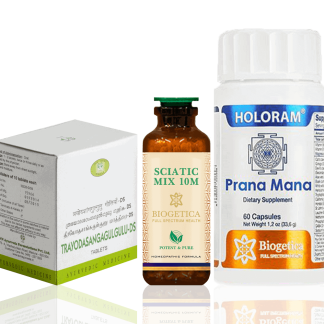
Various ayurvedic and homeopathic formulations are traditionally used to support emotional wellbeing. Some modern research has looked at ashwagandha’s relationship to cortisol and self-reported stress levels. It should always be explored alongside, not instead of, any prescribed medical treatment.
You can explore Biogetica’s approach to anxiety support to understand how these traditions are traditionally used.
-
Breathing Exercises & Yoga
Slow, mindful breathing (pranayama), meditation, and gentle yoga are traditionally used for calming an overactive nervous system. Regular practice balances mood and eases your mind.
Natural remedies to manage anxiety and depression should be viewed as a lifestyle change and not as a replacement to traditional medicine. They’re most effective as one part of a bigger picture that also includes professional guidance.
Conclusion
Anxiety and depression can look alike on the surface, but they pull the mind in different directions. Anxiety leans towards fear of what’s ahead, depression toward heaviness in the present. Many people experience both at once, and that’s more common than you might think.
Understanding anxiety vs depression isn’t about labeling yourself. It’s about noticing patterns, taking them seriously, and knowing when to seek support. Whether that support comes from a therapist, a doctor, a natural wellness routine, or all three, the most important step is simply reaching out. You don’t have to figure this out on your own.
If you’d like to explore support options further, you can learn more about our approach to anxiety and depression.
FAQs
Can children experience anxiety and depression?
Yes. Anxiety and depression can affect people at different stages of life, including children and teenagers. Signs include irritability, changes in school performance, withdrawal, sleep changes, or loss of interest in usual activities. Parents or caregivers who notice persistent changes should consider speaking with a pediatrician or mental health professional.
Can anxiety and depression also affect physical health?
Yes. Both can affect physical health and lead to chronic fatigue, migraines or sinus, digestive discomfort and insomnia. Our brain function support resources cover more on how mental and physical health connect.
When should I seek professional help for anxiety and depression?
If symptoms last most of the day for two weeks or more, interfere with daily life, or involve thoughts of self-harm, it’s time to reach out to a licensed professional.